

JORNADAS JUVENILES DE PATRIMONIO (YOUTH HERITAGE DAYS)
Parte del proyecto piloto European Heritage Hub
Hispania Nostra, Europa Nostra y ESACH
Con la colaboración de la Fundación Santa María de Albarracín
El evento forma parte del proyecto piloto European Heritage Hub y aborda la cuestión de la triple transformación (verde, digital, social) desde la perspectiva de los jóvenes.
Estudiantes y profesionales están invitados a debatir sobre la importancia del patrimonio cultural y natural y su aportación en estas transformaciones, enfocado desde el punto de la despoblación. Mediante varias mesas redondas, los jóvenes presentarán cómo ven ellos estos retos y cuáles sus propuestas de solución.
Las Jornadas incluyen las presentaciones y debates sobre el Position Paper publicado por ESACH en el otoño de 2023.
Además, a los participantes se les presentará un caso práctico. Consistirá en un reto existente en la provincia de Teruel, un problema al que debería darse respuesta al finalizar las jornadas. El trabajo se desarrollará en forma de taller donde los asistentes conocerán las particularidades del entorno y elaborarán sus propuestas.
26th of March:
17.00 – transfer from Valencia to Albarracín (30e of supplement for roundtrip transfer)
21.00 – dinner (venue: Restaurante Casino. Calle Azagra, 14)
22.00 – night visit with jotera music
27th of March:
09.30 – visit of Albarracín
11.00 – coffee
11.30 – registration of the participants (venue for all the conferences: Palacio de Reuniones y Congresos. Plaza del Palacio s/n)
12.00 – Opening of the conference with authorities
12.30 – Keynote speech: New Technologies Applied to the Conservation and Dissemination of Cultural Heritage in Rural Areas: The Romanesque Chapel of San Juan de Ruesta and its Wall Paintings, prof Alberto Castán Chocarro, University of Zaragoza (Spain)
13.00 – EHH and Position Paper presentation: Sorina Neacșu (President ESACH, Europa Nostra Council Member, Executive Director «Heritage for the Future» Cultural Association, Cultural Manager, Romania) and Jasna Popović (Coordinator of Youth Activity in European Heritage Hub, ESACH Secretary, PhDc in International Law, Serbia/Spain);
13.45 – break for lunch
15.00 – transfer to Belchite
17:30 – Guided tour in Belchite and workshop nº1: Endangered heritage in the depopulated areas;
19:30 – Light dinner in Belchite
21:00 – transfer to Albarracín
28th of March:
09:30 – Round table nº1: Urban vs Rural (moderator: Héctor Aliaga de Miguel, Architect, UNA Europa PhD(c) and researcher in cultural heritage and urban peripheries (CUMET project), Spain)
-
- Serena Meloni, Local development agent – cooperation area at LAG Sulcis Iglesiente Capoterra e Campidano di Cagliari, Italy
- Elif Aydin, PhD(c), Research and Administrative Assistant (European Heritage Hub Project), ESACH Coordination Committee Member, EN Tr Program Coordinator, Türkiye/Belgium
- Yorgos Mertzanides, Architect (intMSc), MA Semiotics Culture and Communication, MSc student in Protection, Conservation and Restoration of cultural monuments, Greece
10:45 – coffee
11:00 Round table nº:2 From Preservation to Regeneration: Heritage in the Green Economy (moderator: Pravali Vangeti, Climate Heritage Network, Youth forum, India/France)
-
- Manal Ginzarly, Marie Sklodowska-Curie Postdoctoral Fellow, Belgium
-
- Henar Maíllo Valdés, Founder of Leizea and European Studies student, Spain/France
-
- Simona Bravaglieri, Post-Doc Research Fellow and Adjunct Professor, Italy
-
- Shangyun Shen, Project Officer, Fondation des Sciences du Patrimoine, China/France
12.15 – Round table nº3: The digital transformation of our society and the problem of depopulation (moderator: Georgia Evans, Senior Editorial Officer, Europeana, The UK/The Netherlands)
-
- Theodora Rontzova, Project officer, KU Leuven, Belgium
-
- Theodoros Alexandridis, Researcher (EU Projects), Greece
-
- Irene Reyes Suero, MA student, University Paris Sorbonne, Editor, ESACH, Spain/France
13.30 – break for lunch
14.45 – Round table nº4: The impact of Cultural Heritage on (rural) society facing depopulation (moderator: Gioele Racca, Junior Expert in Built Environment, Culture and Heritage, ICLEI Europe) Italy/Germany
-
- Bagdi Unige, Programmes Manager (ESACH), MSc in Heritage Studies (Vrije Universiteit Amsterdam) Hungary/The Netherlands
- Milan Končar MA historian, curator historian, Serbia
- Marcos Larraz Rincón, Investigator at Institute of Heritage and Humanities of the University of Zaragoza, Spain
16:00 – 15 min presentation of spin-off events
17.00 – workshop nº2: Management of the heritage and the depopulated areas: Cathedral and the surrounding
29th of March:
09.30 – Round table nº5: Future in the cultural heritage sector for young people (moderator: Sorina Neacșu, President ESACH, Europa Nostra Council Member, Executive Director «Heritage for the Future» Cultural Association, Cultural Manager, Romania)
-
- Léa Guillemant, Editor-in-Chief, ESACH, France
-
- Ljubica Vlahović, Technical Associate in Museum of Yugoslavia, MA student in Anthropology, Serbia
-
- Emilia Sánchez González, Doctoral Researcher at University of Luxembourg, Mexico/Luxembourg
-
- Juan Carlos Barrientos García, Coordinator of Educational Programme, European Heritage Volunteers, Researcher in Identity and Heritage Studies, Bauhaus University Weimar, Honduras/Germany
10.45 – coffee
11.00 – 15 min presentation of spin-off events
12:00 – workshop nº3: Touristification of villages in depopulated areas
13.30 – presentation of the possible solutions/ideas (results of the exercise)
14.00 – closing ceremony
14.30 – break for lunch
15.30 – afternoon visit to Teruel
20.00 – closing cocktail
30th of March:
08.00 – transfer to Valencia
11.30 – visit in Valencia until lunch (optional)
13.00 – End of programme & Departures
Keynote speech
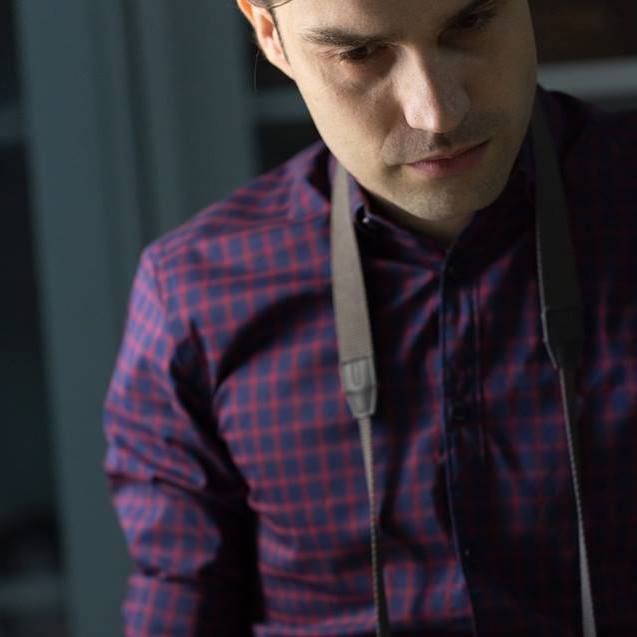
Alberto Castán Chocarro
Alberto Castán Chocarro
Professor at University of Zaragoza (Spain)
Associate Professor in the History of Art Department at the University of Zaragoza. He specializes in contemporary art, and his research has focused on the relationship between art and political and cultural identity, travel as an experience of foreign artists in Spain and the image of the country they disseminated, and contemporary women artists. He has also participated in initiatives related to the management of cultural heritage.
Since 2023, he has been co-PI of the Vestigium reference research group of which he has been a member since 2004. He has also participated in national research projects, published four monographs, several papers in academic journals, book chapters and exhibition catalogues.
EHH and Position Paper presentation
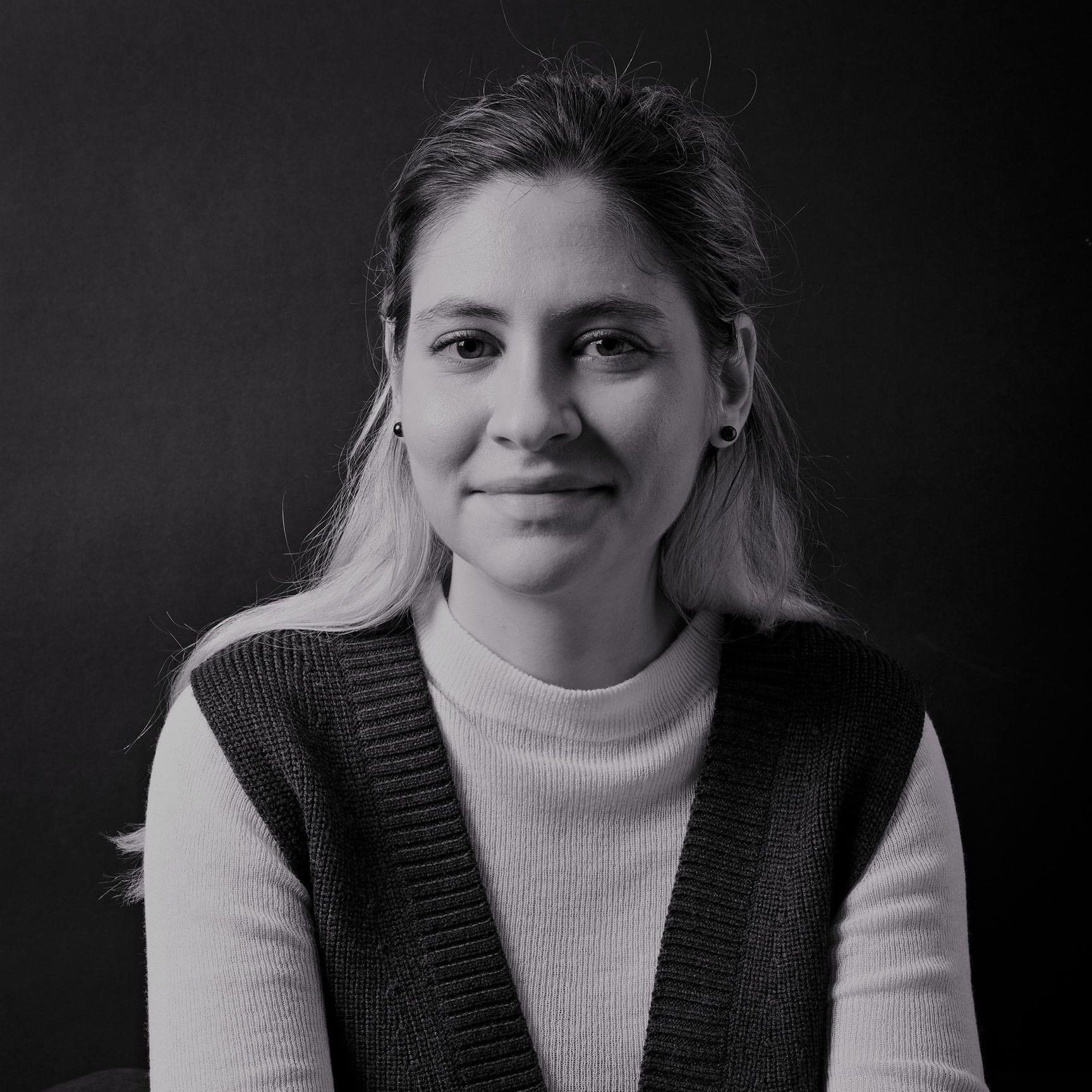
Sorina Neacșu

Jasna Popović
Sorina Neacșu
President ESACH, Europa Nostra Council Member, Executive Director Heritage for the Future Cultural Association, Cultural Manager, Romania
Cultural manager with a passion for engaging youth in cultural heritage. With a strong background in heritage management and the NGO sector, she has developed expertise in youth and volunteer engagement, museum education, project coordination, and art history. She is dedicated to fostering youth-led initiatives that enhance awareness and appreciation of cultural heritage, ensuring its relevance for future generations. Committed to making heritage more accessible and visible, Sorina actively promotes the role of young people in safeguarding and advocating for cultural heritage. Since December 2020, she has been a driving force in the European Heritage Youth Ambassadors Programme as part of the ESACH (www.esach.org) coordination committee and now serves as the President of the network. She also represents the Cultural Association «Patrimoniu pentru Viitor» (www.patrimoniu-viitor.ro) and, as of October 2024, has joined the Europa Nostra Council, reinforcing her commitment to youth engagement in heritage preservation and advocacy.
Jasna Popović
Coordinator of Youth Activity in European Heritage Hub, ESACH Secretary, PhDc in International Law, Serbia/Spain
Graduated from Law in Belgrade and holds two masters – one in International public law and another in Human Rights and now is a Ph.D. candidate at UC3M, Madrid, researching the link between cultural heritage and sustainable tourism.
She is a freelance cultural practitioner and she is collaborating with Hispania Nostra, where she oversees youth involvement, digital transformation in heritage and EU-funded projects, and she is working as Coordinator of youth activities for European Heritage Hub pilot-project. She is also very active in ESACH, where she has volunteered as Secretary since September 2022.
Round table nº1: Urban and Rural
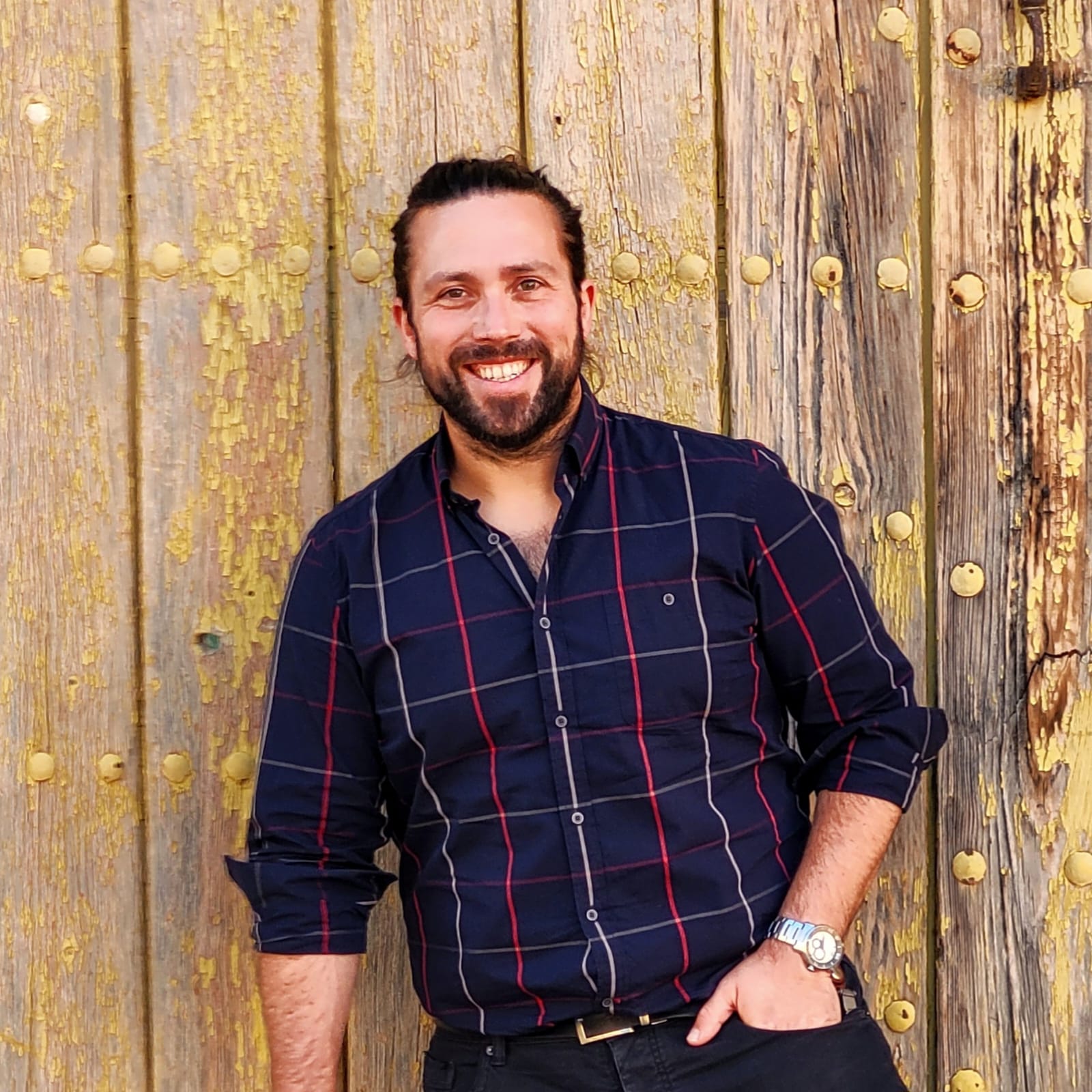
Héctor Aliaga de Miguel
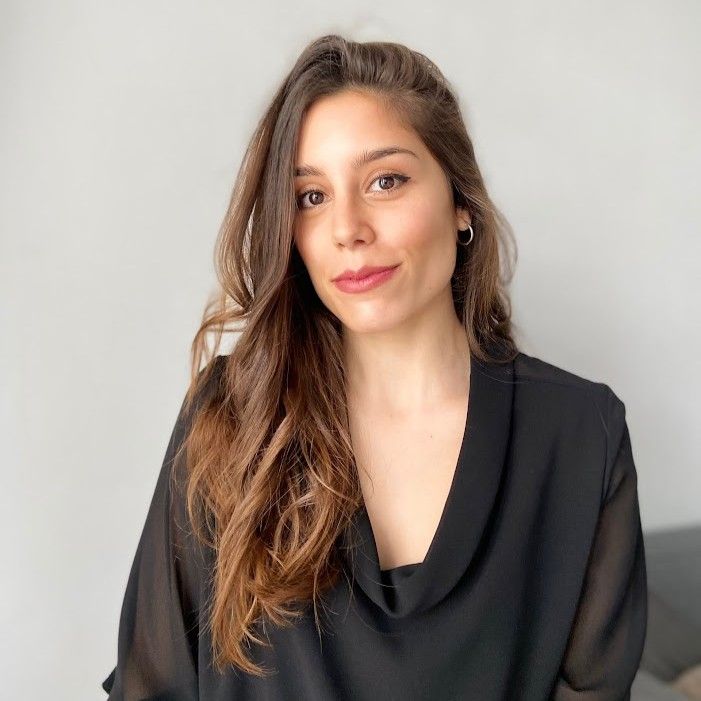
Serena Meloni
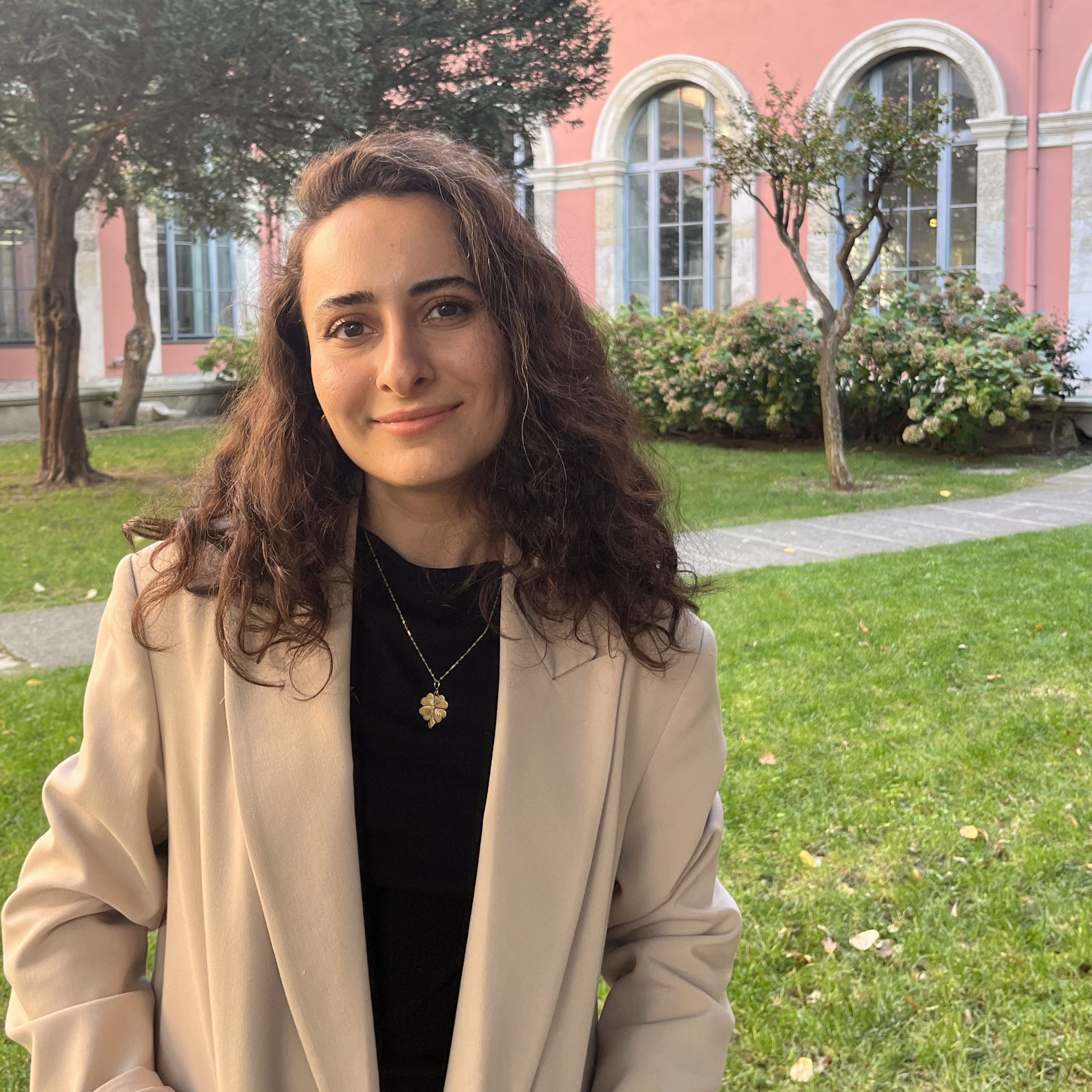
Elif Aydin
Yorgos Mertzanides
Moderator
Héctor Aliaga de Miguel
Architect, UNA Europa PhD(c) and researcher in cultural heritage and urban peripheries (CUMET project), Spain
PhD candidate in Geography at Complutense University of Madrid (2021-2026); he holds an interuniversity Master’s degree in Cultural Heritage in the 21st Century: Management and Research from UCM and UPM (2019), and a degree in Architecture from the Polytechnic University of Madrid (2017). His research is framed within the UNA Europa joint PhD programme in Cultural Heritage UNA-HER-DOC, in co-tutorship with the Department of Architecture of Alma Mater Studiorum University of Bologna. The thesis focuses on the role of Cultural Heritage for the sustainability and urban regeneration of peripheral areas in large cities, regarding the processes of heritagisation and values appropriation by society.
In addition, he has worked in different international research projects on territorial and sustainable development through Cultural Heritage and Cultural Tourism, including social participation and digital transition within the European Commission initiatives Interreg, Horizon and JPI, such as Interreg Mediterranean Herit-Data, H-2020 IMPACTOUR, H-2020 TExTOUR and JPI-CUMET. He also participates in international committees and networks of scientific dissemination and enhancement of Cultural Heritage, such as ICOMOS, involved in the World Heritage Observatory; ESACH, thanks to the European Heritage Youth Ambassadors programme; and Europa Nostra, as a member of the New European Bauhaus taskforce.
Speakers
Serena Meloni
Local development agent - cooperation area at LAG Sulcis Iglesiente Capoterra e Campidano di Cagliari, Italy
Local development agent – cooperation expert at the GAL Sulcis Iglesiente Capoterra e Campidano di Cagliari, Local Action Group of South-West Sardinia, which manages European Structural and Investment Funds (ESI Funds, ESIFs) for the sustainable development of the territory involved. I am in charge of the animation of local actors and cooperation projects, in order to foster the development of projects consistent with the actions envisaged by the LAG’s Strategy and Action Plan.
I graduated in languages (BA) from the University of Cagliari and hold a Master’s degree in International Cooperation on Human Rights and Intercultural Heritage from the Alma Mater Studiorum – University of Bologna. I obtained a first-level Master’s diploma in “World Heritage and Cultural Projects for Development” from the University of Turin and the Polytechnic University of Turin.
I gained experience in European planning and international cooperation during previous internships and work experience in the field of cultural heritage management and international cooperation in Barcelona, Berlin and Turin.
Elif Aydin
PhD(c), Research and Administrative Assistant (European Heritage Hub Project), ESACH Coordination Committee Member, EN Tr Program Coordinator, Türkiye/Belgium
Elif Aydın is a dedicated urban planner and cultural heritage professional. Currently, she works at the HERKUL Institute of KU Leuven, focusing on European Heritage HUB project. She also moderates the Istanbul Citizens’ Council’s Working Group on Urban Culture and Cultural Heritage, where she actively promotes participatory urban culture and raises awareness about cultural heritage. As Communications Manager at ESACH, she oversees content creation for events and calls, coordinates the “Journey of Heritage: Cultural Narratives” blog series, manages the organisation’s digital presence, and promotes awareness of cultural heritage. Elif’s background includes a valuable internship at Europa Nostra, where she contributed to youth involvement in cultural heritage management, as well as earlier experiences at Studio Redaelli Speranza in Milan and various Turkish municipalities. She is currently pursuing a PhD in Urban & Cultural Studies at Istanbul Technical University while conducting her research at KU Leuven as an international scholar.
Yorgos Mertzanides
Architect (intMSc), MA Semiotics Culture and Communication, MSc student in Protection, Conservation and Restoration of cultural monuments, Greece
Yorgos Mertzanides, born 1993. Freelance architect, facility development consultant of ALMI S.A. and currrently Msc student in “Protection, Conservation and Restoration of Cultural Monuments”, Aristotle University of Thessaloniki. Previous studies in “Architecture” (int. MSc) and “Semiotics, Culture and Communication” (MA) in the Aristotle University of Thessaloniki and Hochschule Kaiserslautern, Germany on an Erasmus+ scholarship. Participation or contribution in architectural competitions with distinctions (Sarlitza Pallas, Lesvos, Greece, Metro Station Akadimia, Athens, Greece). Participation in initiatives for the protection of rural heritage. Research interest in rural architectural heritage and architectural semiotics with publications in relevant conferences. Europa Nostra Youth Member.
Round table nº2: From Preservation to Regeneration: Heritage in the Green Economy
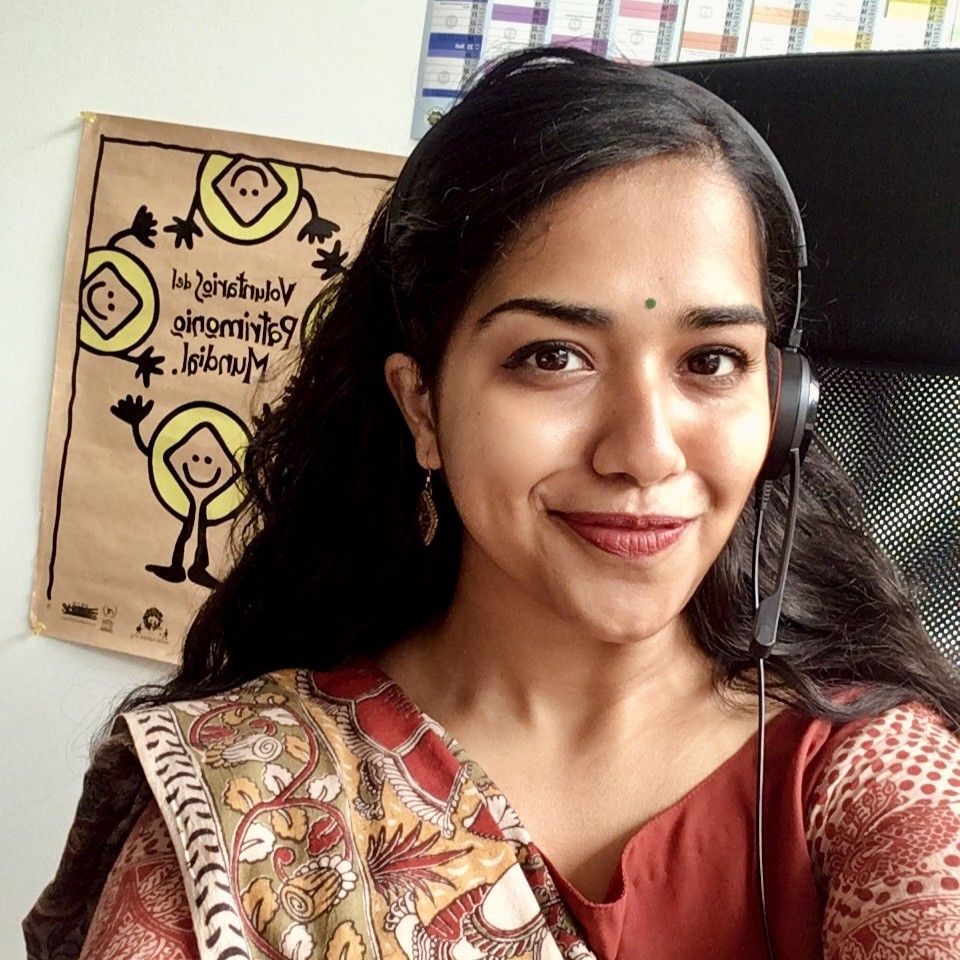
Pravali Vangeti
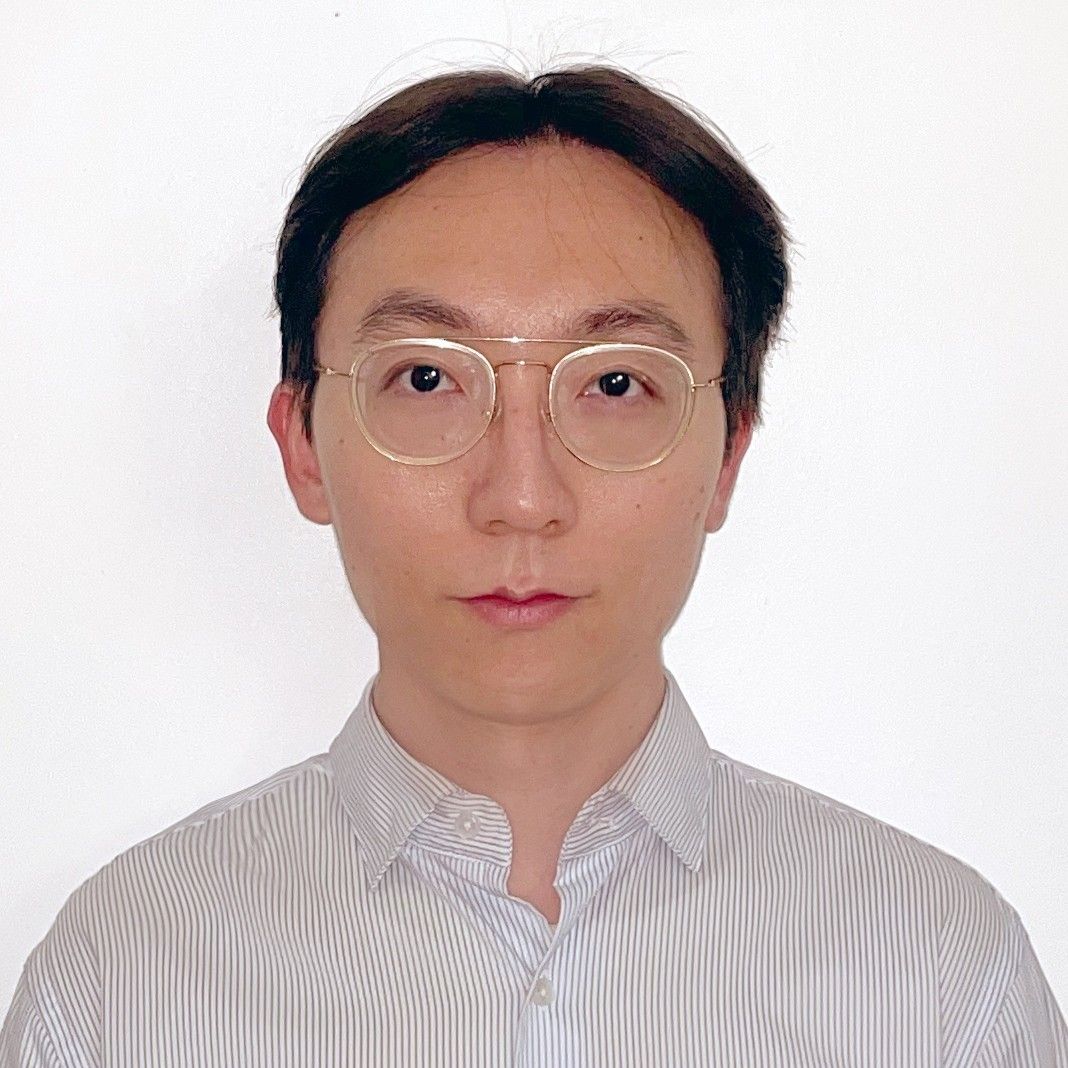
Shangyun Shen
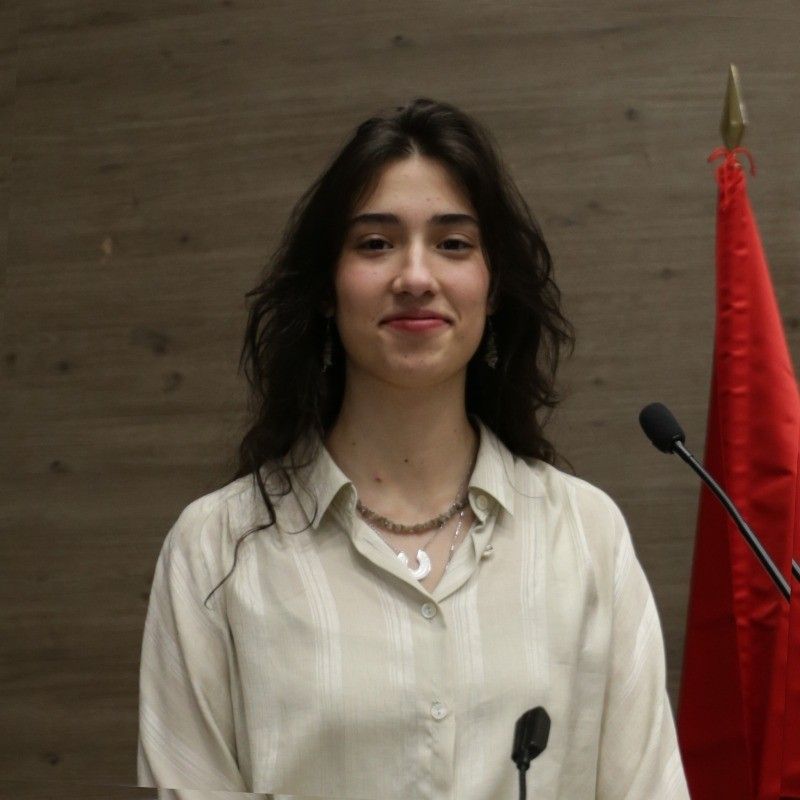
Henar Maíllo Valdés
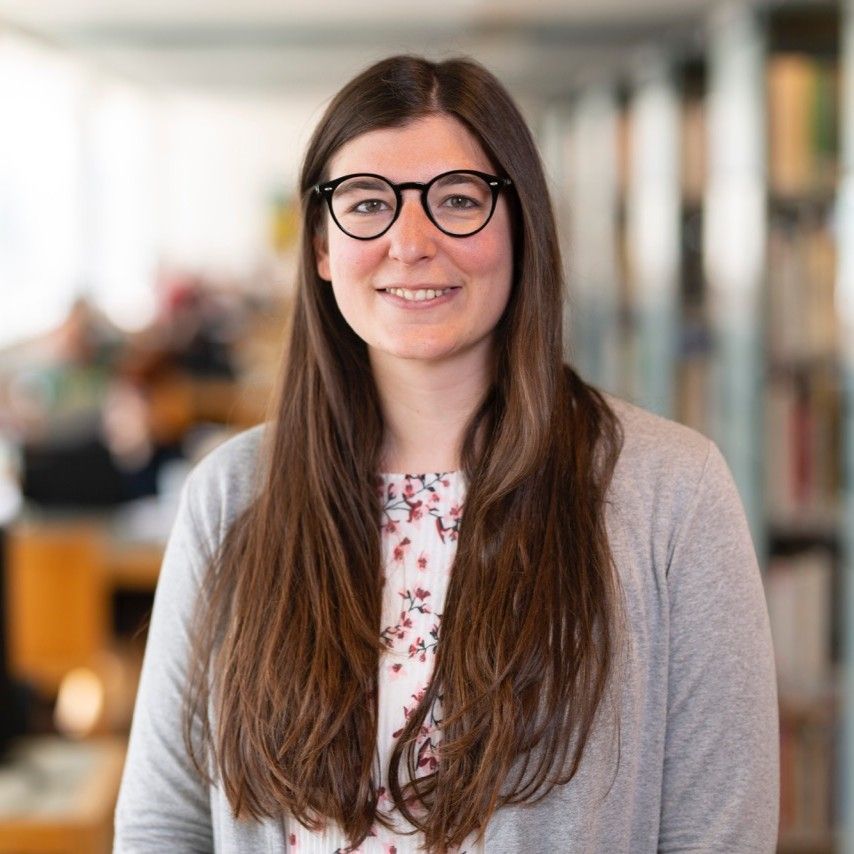
Simona Bravaglieri
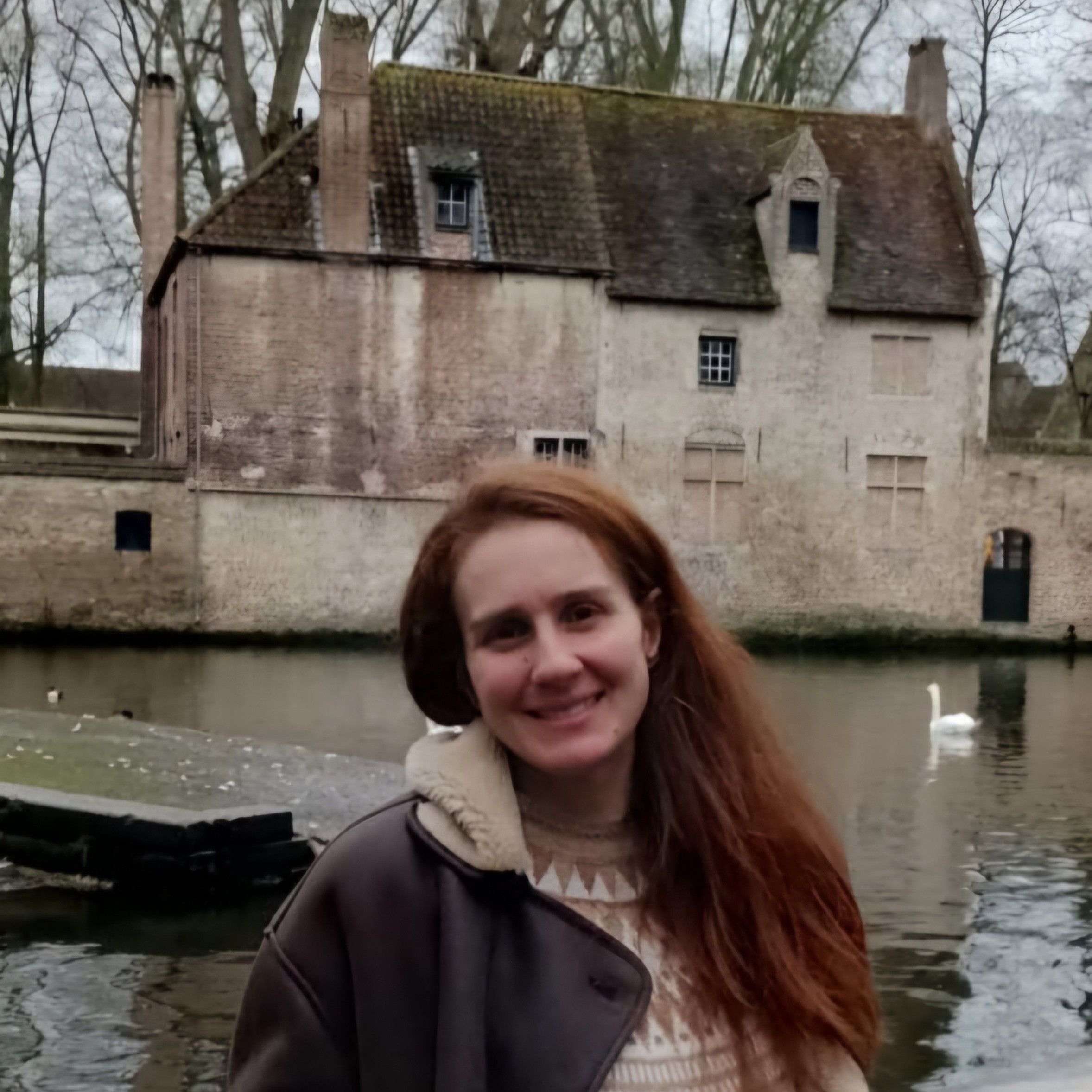
Manal Ginzarly
Moderator
Pravali Vangeti
Climate Heritage Network, Youth forum, India/France
Cultural professional specializing in the intersection of culture, policy, and international relations. She is a founding co-convener of the Climate Heritage Network Youth Forum (2021–2024) and a member of the Climate Heritage Network Steering Committee (2022–present).
With a strong focus on education and capacity building for youth in heritage, Pravali has contributed and led the UNESCO World Heritage Education Programme (2019–2023) and currently coordinates a global project on foodways as intangible cultural heritage (2024–present). She has actively engaged in cultural policy and sustainability at the European level, through her work at ENCATC (2024) and has contributed to international cultural relations initiatives at organizations such as ESACH, Europa Nostra, the Asia-Europe Foundation, the Global Cultural Relations Programme, and IFACCA.
Pravali holds an MBA and a Master’s in Arts and Cultural Management (France) as well as a Bachelor’s in Design (India).
Speakers
Shangyun Shen
Project Officer, Fondation des Sciences du Patrimoine, China/France
As a Project Officer at the Fondation des Sciences du Patrimoine, France, I help coordinate international collaborations, including the secretariat of the European Joint Programming Initiative on Cultural Heritage (JPI CH). My role involves managing strategic initiatives, such as transnational calls for research proposals, facilitating cross-border partnerships, and overseeing digital platforms like HeritageResearch-Hub.eu. I also contribute to key policy documents, including the Joint White Paper on Cultural Heritage and Climate Change: New Challenges and Perspectives for Research.
With multiple Master’s degrees in Sustainable Heritage Management and Religious Studies from KU Leuven, Panthéon-Sorbonne, The Hebrew University of Jerusalem, and Università degli Studi di Padova, I bring an interdisciplinary perspective to the evolving field of heritage science. My past research has focused on minority heritage, religious heritage, and intercultural dialogue.
Prior to my current role, I worked with institutions such as the French Ministry of Culture, Future for Religious Heritage (FRH), and the Center for Arab-West Understanding, contributing to heritage research, policy development, and stakeholder engagement across Europe and the Middle East.
Henar Maíllo Valdés
Founder of Leizea and European Studies student, Spain/France
Student of European Studies specializing in Political Science at Paris Sorbonne. She has long been involved in efforts to include the environmental perspective in different fields. In 2021 she founded Leizea, a youth collective focused on raising awareness on climate change along with equality and mental health. Through its platform, youth actively research and inform on these topics. At its core, the project aims to tackle today’s greatest problems through intersectionality which is why the ecological and social merge together.
Simona Bravaglieri
Post-Doc Research Fellow and Adjunct Professor, Italy
Research Fellow at Ca’ Foscari University and Lecturer in heritage anthropology at the University of Bologna. Her research focuses on cultural heritage and sustainability, critical heritage studies, sustainable tourism, active dissonance and resilience in communities in case of conflict or disaster. She has a PhD from the Politecnico di Milano in Conservation of the Architectural Heritage with a thesis entitled: ‘The heritage of the Cold War: identification, mapping and preservation of decommissioned military buildings and sites in Italy (1947-1989)’. She has carried out exchange periods in multidisciplinary contexts at Uppsala Universitet Campus Gotland, University of York, National Technical University of Athens and Chalmers Technical University. Part of the editorial staff of the scientific journal ‘ANANKE’, founded by Marco Dezzi Bardeschi. Among her most recent publications is ‘Heritage itineraries and the ‘rest state’ at Europe’s Cold War-era Ground-launched Cruise Missile (GLCM) sites’ in Landscape Research (2023) with John Schofield.
Manal Ginzarly
Marie Sklodowska-Curie Postdoctoral Fellow, Belgium
Marie Curie postdoctoral fellow at the University of Liège in Belgium. Her research lies at the intersection of sustainable urban development, urban governance, heritage management, and climate change. She approaches the city as a living heritage and is particularly interested in the notion of everyday heritage, grassroots heritage conservation practices, and the contribution of cultural heritage to community resilience. Her work also focuses on developing methodological approaches that leverage social media to foster civic engagement in heritage management and to provide deeper insights into everyday landscapes and the diversity of heritage places and values.
Round table nº3: The digital transformation of our society and the problem of depopulation
Georgia Evans
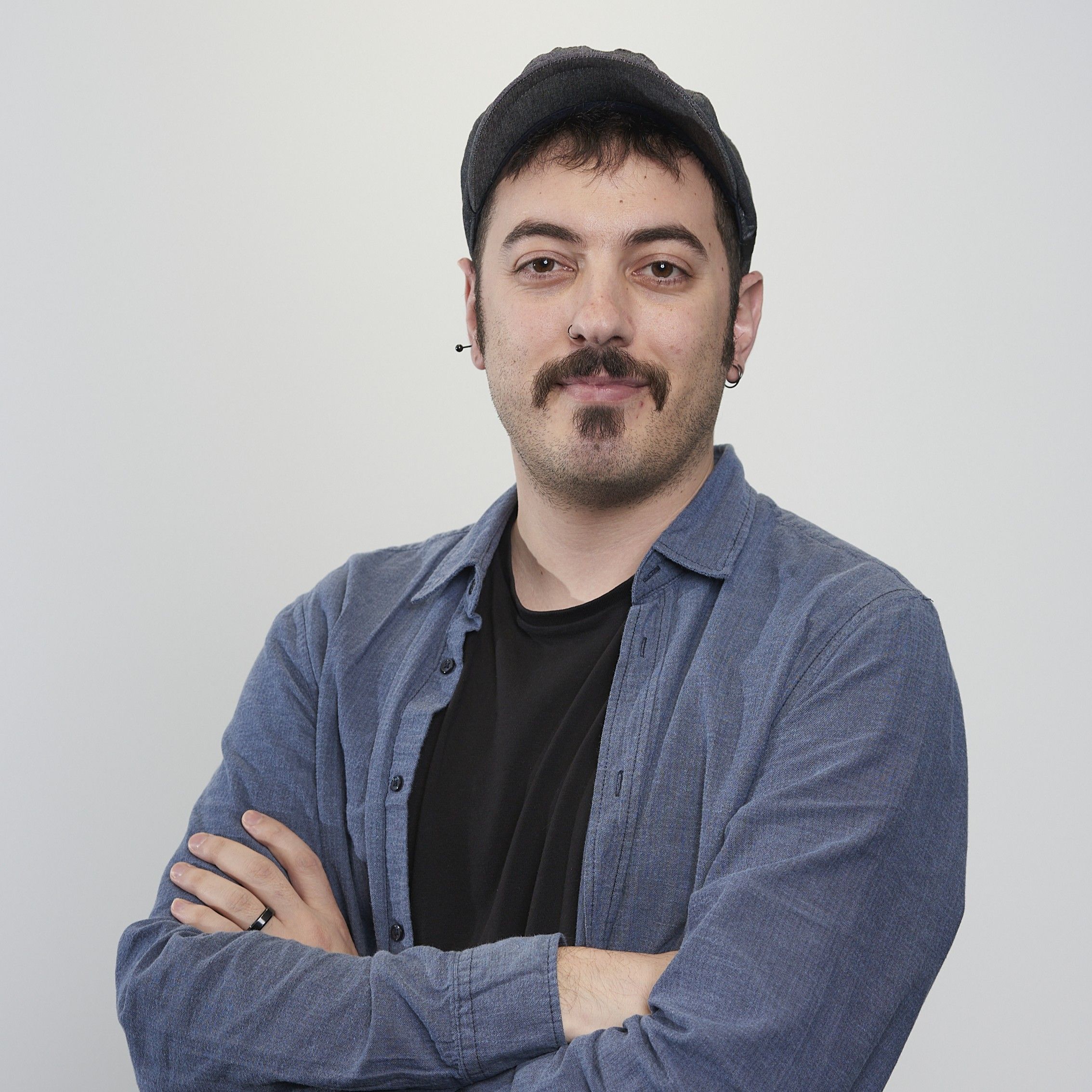
Theodoros Alexandridis
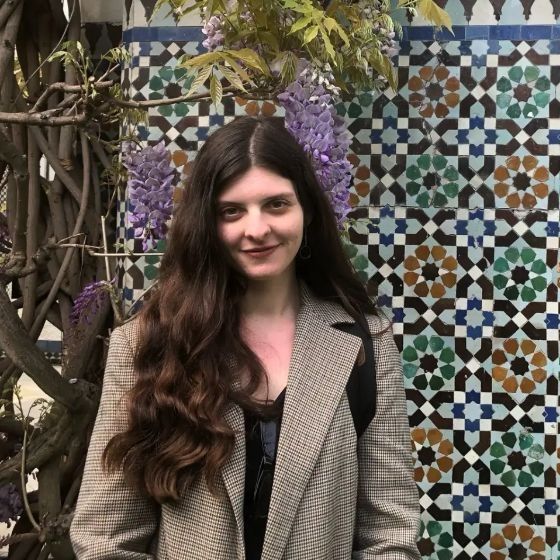
Theodora Rontzova
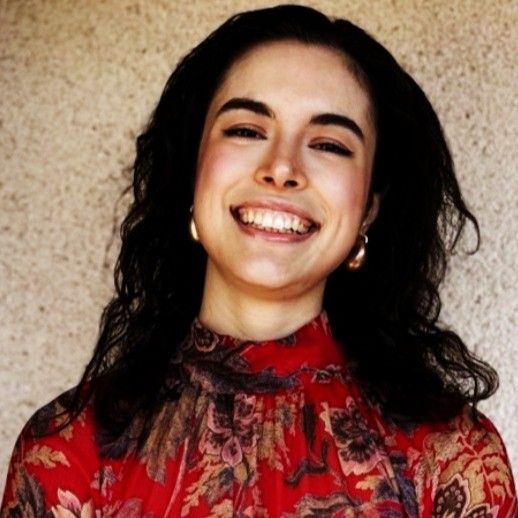
Irene Reyes Suero
Moderator
Georgia Evans
Senior Editorial Officer, Europeana, The UK/The Netherlands
Senior Editorial Officer at the Europeana Foundation, and a participant in the European Heritage Hub project. In her role, she leads on editorial aimed at professionals and non-formal professionals across the common European data space for cultural heritage, creates and and aligns communications that meet the aims and the needs of stakeholders, and is Editor-in-Chief of the Europeana Pro website. Before working at Europeana, Georgia worked in the higher education sector in the UK. She has a BA degree in English Language and Literature, and an MA in Early Modern Studies.
Speakers
Theodoros Alexandridis
Researcher (EU Projects), Greece
Spatial & Urban Planner with a strong focus on European programs, cultural heritage, and sustainable development. He has experience working with EU-funded projects, managing research, and coordinating international collaborations.
Currently, he is actively involved in research projects with Tero PC and Aristotle University of Thessaloniki, contributing to initiatives like Interreg Europe "DEPART", European Urban Initiative “NatUR-W” and the project “GoBike”, focusing on urban planning, sustainability, and heritage preservation.
His previous experience at the Publications Office of the European Union (Blue Book Traineeship) strengthened his data analysis / visualization, business intelligence, and strategic planning skills, particularly in European policy contexts. His background also includes roles in customer support, urban planning, and census coordination, showing his ability to adapt across different sectors.
Passionate about cultural heritage, he has worked on projects related to heritage conservation, tourism development, and adaptive reuse of historical sites, contributing through publications and conferences. Skilled in GIS, CAD, Power BI, and data-driven urban planning, he enjoys applying technology to create smarter, more resilient cities.
Fluent in Greek (native) and English (C2 level), with basic knowledge of French, Theodoros thrives in collaborative, international environments where he can combine research, planning, and European policy expertise.
Theodora Rontzova
Project officer, KU Leuven, Belgium
project officer at KU Leuven, currently working on IMPULSE, a Horizon Europe project centered around the creative (re)use of digital cultural heritage. She holds a BA in Philology and Linguistics from the National and Kapodistrian University of Athens as well as an MA in European Studies from KU Leuven, with a major in European Diversity and Cultural Policy and a minor in European History. She is currently pursuing an Advanced Master in Cultural Anthropology and Development at KU Leuven, as well as an LLB (in distance) from the Aristotle University of Thessaloniki. In the past, she gained professional experience from the National Library of Greece, the Centre of Modern Greek Studies at the University of Granada as well as FARO, the Flemish Institute for Cultural Heritage. Her particular interests revolve around digitization practices in the cultural sector, and the intersection of cultural heritage with law and politics.
Irene Reyes Suero
MA student, University Paris Sorbonne, Editor, ESACH, Spain/France
Irene is pursuing a Master’s in International, European, and Comparative Law at Université Panthéon-Sorbonne. She has a background in legal and international affairs, having gained experience at UNESCO, INTERPOL, and the Spanish Ministry of External Affairs and Cooperation. Passionate about cultural heritage, european policies and international cooperation, she is an editor at ESACH, where she contributes to discussions on youth involvement in heritage preservation.
Round table nº4: The impact of Cultural Heritage on (rural) society facing depopulation
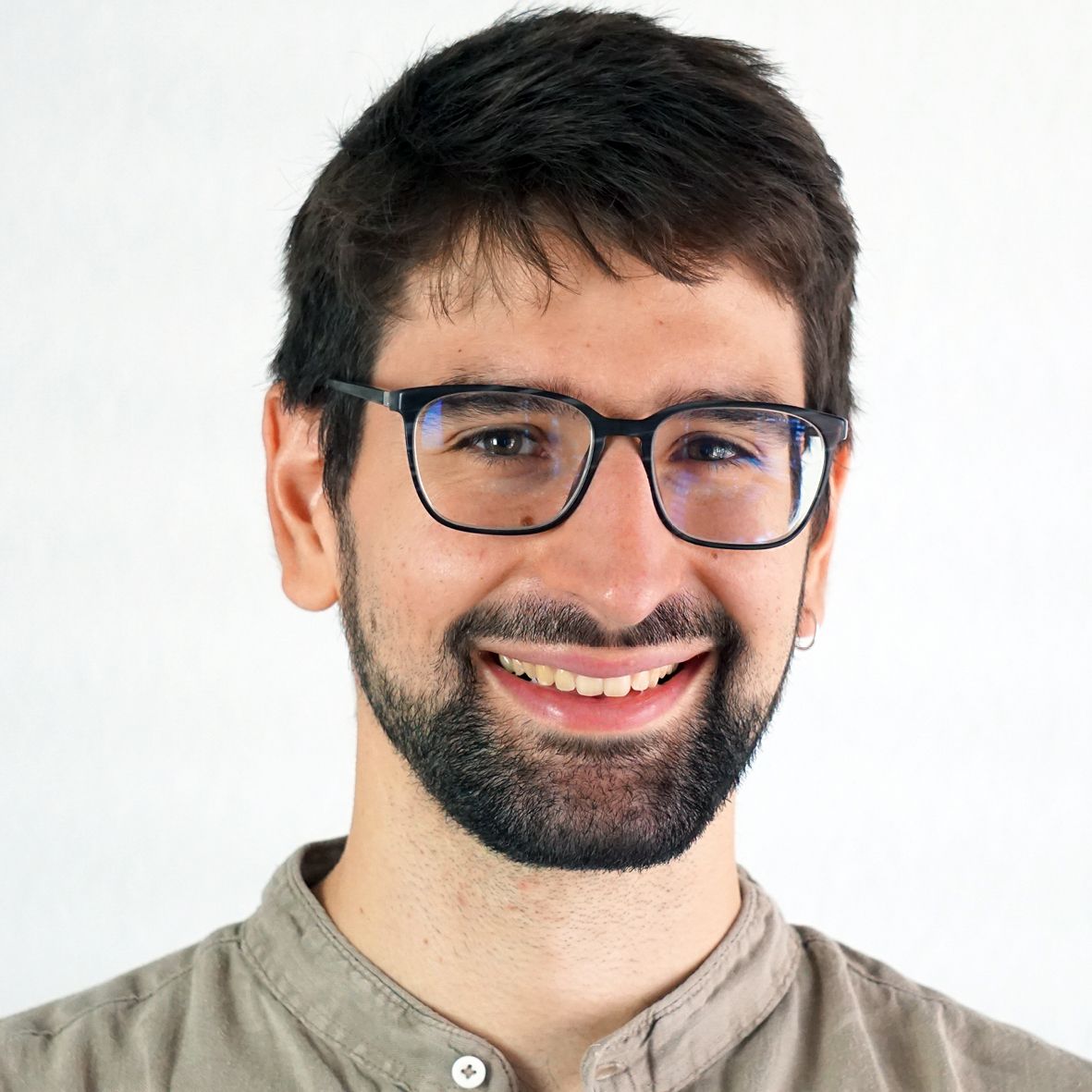
Gioele Racca
Unige Bagdi
Milan Končar
Marcos Larraz Rincón
Moderator
Gioele Racca
Expert in Built Environment, Culture and Heritage, ICLEI Europe) Italy/Germany
Serves as an Expert at ICLEI Europe’s Office, where he focuses on integrating cultural heritage preservation with sustainable urban development. He is dedicated to fostering collaboration and knowledge exchange in culture-driven transformation, emphasising the importance of stakeholder engagement and leveraging inclusive and participatory approaches in urban development initiatives. His expertise aligns closely with the principles of the New European Bauhaus, where he contributes to the development of the Toolbox. His work is driven by a strong commitment to international collaboration, social responsibility, and cultural sustainability.
Speakers
Unige Bagdi
Programmes Manager (ESACH), MSc in Heritage Studies (Vrije Universiteit Amsterdam) Hungary/The Netherlands
She is a proactive and enthusiastic heritage professional with a background in art history and heritage studies. Passionate about contemporary heritage reuse strategies and spatial development, she strives to balance preservation with the evolving needs of modern society. Throughout her academic journey, she has developed a deep understanding of participatory heritage management and contemporary preservation practices. In addition, she has gained valuable practical experience in event organization and program coordination through internships volunteer works across various cultural institutions. Currently, she serves as Programme Manager in the Events Team at ESACH, where she organizes quarterly events for young professionals and heritage students. Her work is fueled by a strong interest in emerging trends in cultural heritage, particularly adaptive reuse, critical heritage theories, and participatory strategies. She is committed to ensuring that cultural heritage remains both relevant and accessible, especially for future generations.
Milan Končar
MA historian, curator historian, Serbia
Master historian and curator with extensive experience in education, museum practice, and project management. Specialized in historical research, archival work, and cultural heritage preservation, with a strong passion for making history accessible to wider audiences. As a history teacher, I am dedicated to inspiring students through interactive and critical learning, fostering a deeper understanding of the past.
My professional experience extends beyond education into museum and archival work, where I curate exhibitions, manage historical collections, and develop projects that highlight cultural heritage. In addition to my work in history, I am also one of the pioneers of Teqball in Serbia, actively contributing to the development of this emerging sport as a certified international referee. My leadership extends to chess, where I serve as the president of the chess club «Kraljev Gambit,» promoting chess as a strategic and intellectual pursuit.
Beyond professional engagements, I find great fulfillment in preserving oral history through conversations with older generations, ensuring their stories and experiences are recorded for future generations. Motivated by a passion for history, curatorship, and sports innovation, I continuously seek opportunities to contribute to cultural, educational, and community-driven projects.
Marcos Larraz Rincón
Investigator at Institute of Heritage and Humanities of the University of Zaragoza, Spain
I am an Art Historian with a Master’s Degree in Hispanic Cultures and Identities, and I work as a Researcher at the Institute of Heritage and Humanities (IPH) of the University of Zaragoza, where I am also developing my PhD tesis.
I’ve been part of the International Research Project “GAP: Graffiti Art in Prison”, granted by the European Commission (Program: ERASMUS+KA-2), carrying out different training and research stays at the Università degli Studi di Palermo, the Universität zu Köln and the Kunsthistorisches Institut in Florenz – Max-Planck-Institut.
Within the Rural Mobility Program of the UNITA – Universitas Montium Alliance, in 2021 I made an internship in the Italian town of Ostana (Piedmont), in collaboration with the Università degli Studi di Torino and the VISO A VISO Cooperative, developing the project “Living Library of the Alps”.
Round table nº5: Future in the cultural heritage sector for young people
Sorina Neacșu
Léa Guillemant
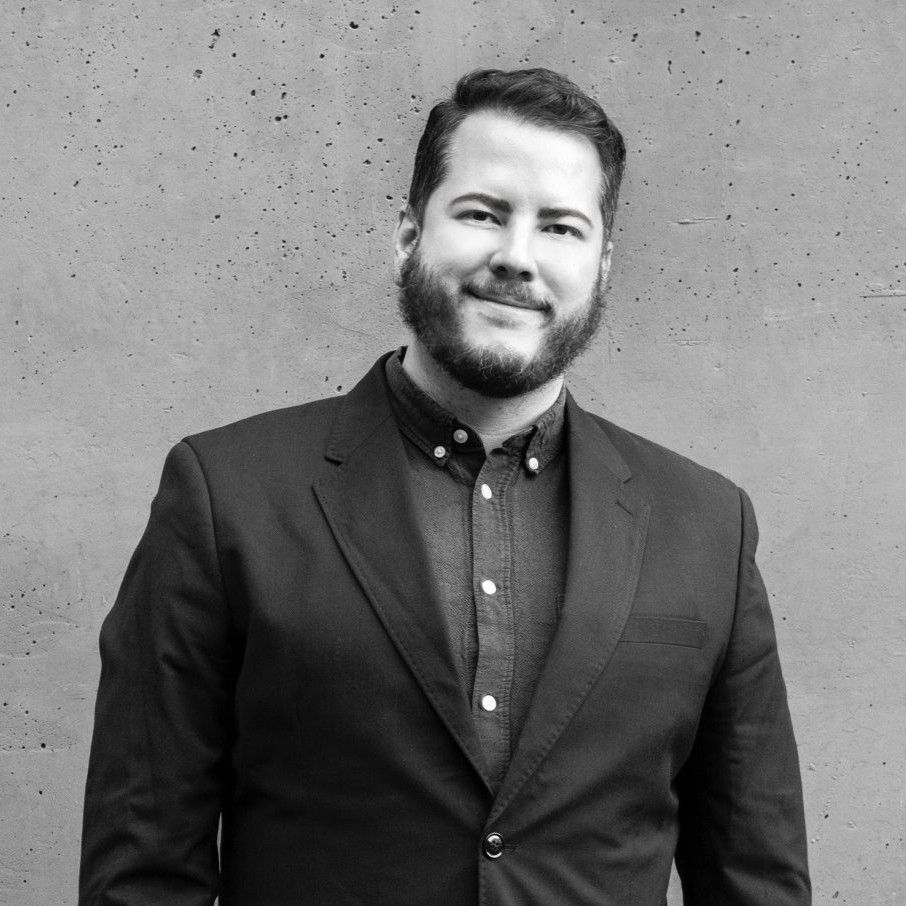
Juan Carlos Barrientos García
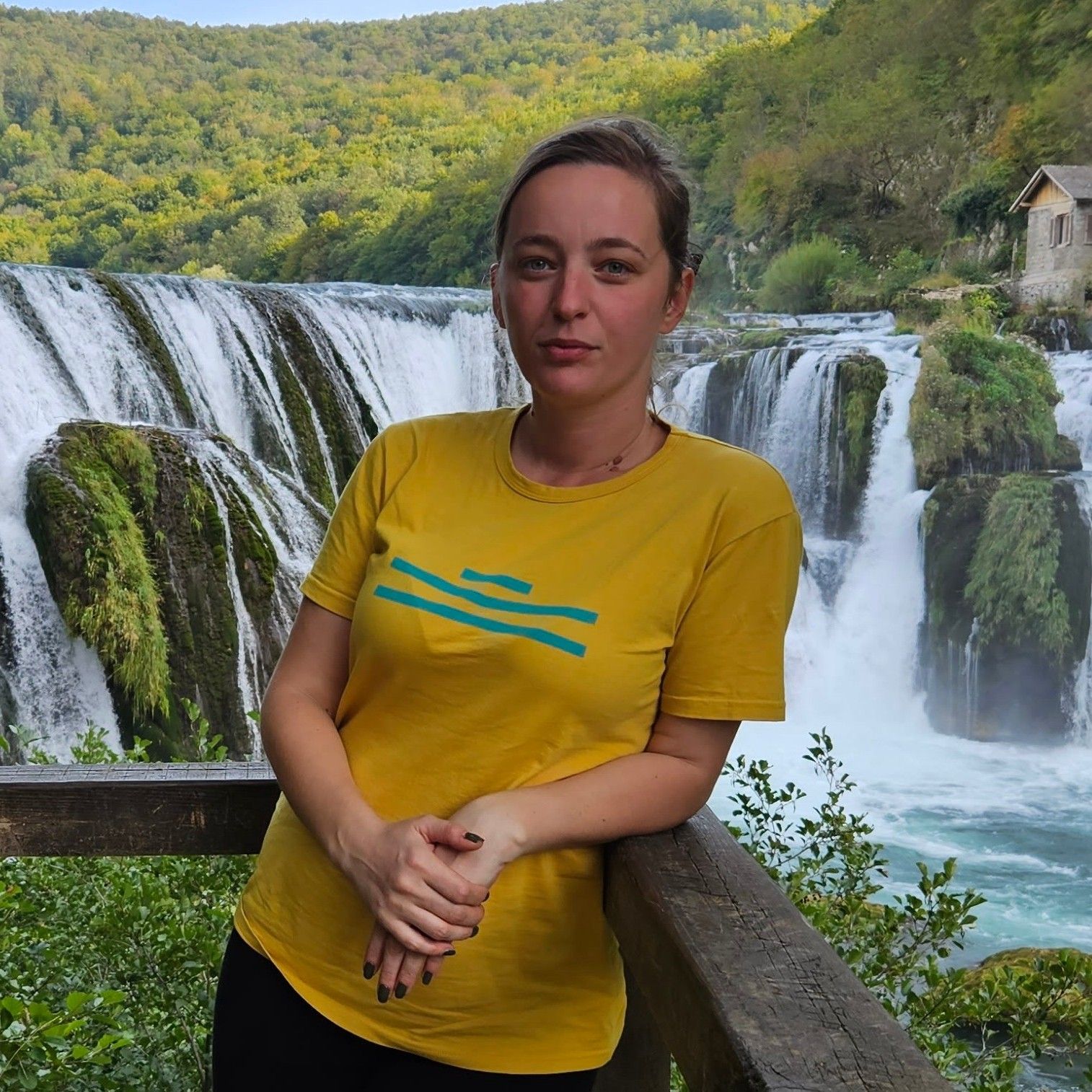
Ljubica Vlahović
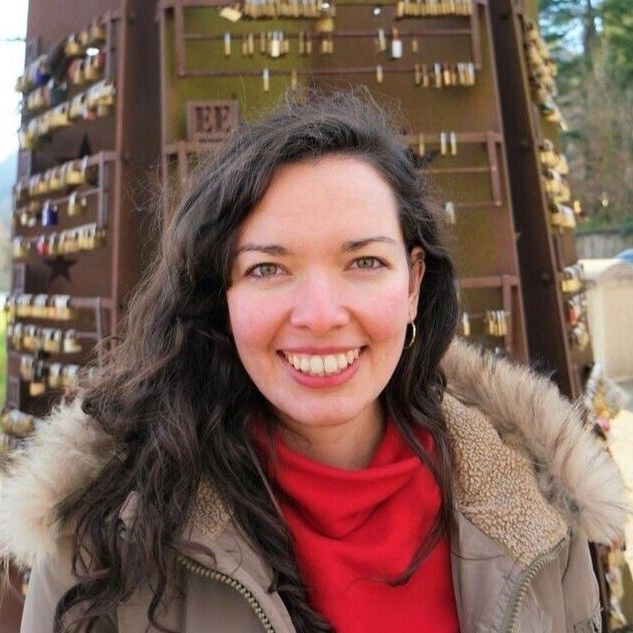
Emilia Sánchez González
Moderator
Sorina Neacșu
President ESACH, Europa Nostra Council Member, Executive Director Heritage for the Future Cultural Association, Cultural Manager, Romania
Cultural manager with a passion for engaging youth in cultural heritage. With a strong background in heritage management and the NGO sector, she has developed expertise in youth and volunteer engagement, museum education, project coordination, and art history. She is dedicated to fostering youth-led initiatives that enhance awareness and appreciation of cultural heritage, ensuring its relevance for future generations. Committed to making heritage more accessible and visible, Sorina actively promotes the role of young people in safeguarding and advocating for cultural heritage. Since December 2020, she has been a driving force in the European Heritage Youth Ambassadors Programme as part of the ESACH (www.esach.org) coordination committee and now serves as the President of the network. She also represents the Cultural Association «Patrimoniu pentru Viitor» (www.patrimoniu-viitor.ro) and, as of October 2024, has joined the Europa Nostra Council, reinforcing her commitment to youth engagement in heritage preservation and advocacy.
Speakers
Léa Guillemant
Editor-in-Chief, ESACH, France
Dedicated to advancing cultural policy to drive positive change. Her research focuses on cultural development, creative industries, culture for peacebuilding, cultural diversity, and heritage protection within historical and geopolitical contexts. She also explores cultural rights, memory, and the transmission of culture over time.
With expertise in international development cooperation, Léa specializes in cultural heritage programs, bringing proficiency in project cycle management, policy development, and advocacy. She also serves as the editor-in-chief of ESACH.
Juan Carlos Barrientos García
Coordinator of Educational Programme, European Heritage Volunteers, Researcher in Identity and Heritage Studies, Bauhaus University Weimar, Honduras/Germany
Born in Tegucigalpa, Honduras, and is a heritage researcher, legal expert, and educator. He holds a Master’s in World Heritage Studies from Brandenburgische Technische Universität Cottbus-Senftenberg in Germany, awarded with distinction, and a degree in International Law from Universidad Tecnológica Centroamericana in Honduras. Currently, he serves as the Coordinator for the Educational Programme at European Heritage Volunteers, developing international training courses on heritage conservation. He is also a researcher and PhD Candidate at Bauhaus University Weimar within the DFG research group «Identity and Heritage,» where he applies decolonial theory to examine identity constructions in postcolonial societies through museum narratives in their postcolonial context.
Ljubica Vlahović
Technical Associate in Museum of Yugoslavia, MA student in Anthropology, Serbia
Ethnologist and anthropologist specializing in Yugoslav migrant workers in Western Europe and their representation in pop culture. As an expert associate at the Museum of Yugoslavia, she develops educational programs, conducts workshops, and manages social media to promote cultural heritage. Her work involves engaging diverse audiences, including children and students, in exploring Yugoslav history and heritage. Previously, she coordinated cultural initiatives at the Alternative Cultural Center “Začin,” supporting marginalized communities. A graduate of the University of Belgrade, she brings expertise in education, digital marketing, and communication, with a strong focus on preserving and interpreting cultural heritage.
Emilia Sánchez González
Doctoral Researcher at University of Luxembourg, Mexico/Luxembourg
Heritage, arts, and culture specialist with international experience working in museums, universities, and NGOs. She holds an M.A. from the UNESCO program in World Heritage Studies at BTU-Cottbus. In 2022, Emilia received the first Emerging Professionals Network research grant from the U.S. National Committee of ICOMOS. In 2023, she was a European Heritage Youth Ambassador for ESACH-Europa Nostra. She is currently a PhD Candidate at the Centre for Contemporary and Digital History (C2DH) of the University of Luxembourg, where she is investigating the international tour of the landmark photographic exhibition «The Family of Man.»
| Gracias de antemano ¡y estaremos encantados de veros! | Thank you in advance and we are looking forward to seeing you! |
| Para recibir información adicional, por favor, el contacto es: Jasna Popovic, secretaria de ESACH: secretary.esach@gmail.com | For any aditional information, please write to Jasna Popovic, ESACH Secretary, at secretary.esach@gmail.com |
FORMULARIO DE INSCRIPCIÓN
Periodo de inscripción cerrado.
Becas ofertadas por Hispania Nostra
El periodo de solicitud de becas ha terminado. Muchas gracias a todos los interesados.
Qué incluye:
-
- Costes de desplazamiento (hasta 50 €)
- Traslado en autobús Valencia/Albarracín/Valencia
- Estancia de 4 noches en Albarracín en habitación compartida
- 4 desayunos, 3 comidas y 4 cenas (vales por cada comida)
- Todas las visitas indicadas en el programa
- Certificado de asistencia becada a la jornada
Requisitos:
-
- Fianza de 20 € que se devolverán, tanto si ganas la beca como si no, una vez finalice la jornada
- Ser menor de 36 años (requiere acreditación)
- Ser español o residente en España (requiere acreditación)
- Trabajar/estudiar en un área relacionada con el patrimonio cultural y natural (requiere acreditación)
- Título en inglés nivel B2/First Certificate o superior (requiere acreditación)
- Asistencia completa a todos los eventos programados
Condiciones:
-
- Hispania Nostra ofrece hasta 10 becas para estudiantes y/o profesionales jóvenes españoles
- Puedes optar a la beca hasta el 24 de febrero, incluido
- El fallo de las becas se comunicará con fecha 28 de febrero a través de correo electrónico
- En caso de no responder antes del 3 de marzo, la beca se concederá al siguiente de la lista de espera
Se valorará positivamente el aval de una universidad o institución relacionada con el patrimonio cultural y natural.
Listado orientativo de establecimientos hoteleros en Albarracín. Hispania Nostra no cuenta con ningún convenio suscrito con ellos.
| ESTABLECIMIENTO | DIRECCIÓN | TELÉFONO |
| Albergue Albarracín | Santa María, 5 | 978 710 266 |
| Camping+Bungalows Ciudad de Albarracín | Camino de Gea, s/n | 978 710 197 – 657 498 433 |
| 1877 SENSACIONES – Hotel Spa | Portal de Molina, 13 | 978 710 157 – 619116803 |
| AL ALBA – Apto. Turístico | Portal de Molina, 11 | 646 198 069 |
| ALBARRACÍN – Hotel | Azagra, 22 | 978 710 011 |
| ALBARRÁN – Hotel | Del Medio, 26 | 978 704 037 |
| ARABIA – Hotel y Aptos. Turísticos | Bernardo Zapater, 2 | 978 710 212 |
| ATIANA – Hotel | Beas de Segura, 1 | 978 710 281 |
| BARRENA – Aptos. Turísticos | Peluí derecha, 25A | 646 019 999 |
| CASA DE ORIA – Hostal | Garita, 5 | 978 700 351 |
| CASERÓN DE LA FUENTE – Hotel | Carrera huertos, s/n | 978 710 330 |
| CASA DEL ABUELO – Hotel | Llano del Arrabal, 22 | 978 700 370 |
| CASA DEL TÍO AMERICANO – Hotel | Los Palacios, 9 | 978 710 125 |
| CASA CAUMA – Hostal | Camino Sto. Cristo, 18 | 978 710 086 – 625 979 551 |
| CASONA DEL AJIMEZ – Hotel | San Juan, 2 | 978 710 321 – 655 843 207 |
| CINE CAPICOL – Aptos. Turísticos | Bº San Antonio, 11 | 978 710 126 – 655 113 428 |
| DOÑA BLANCA – Hotel | Llano del Arrabal, 10 | 978 710 001 |
| EL BREZO – Aptos. Turísticos | Peluí derecha, 24 | 978 700 360 – 675 301 535 |
| GADEA – Aptos. Turísticos | C/Los Palacios, 3 | 629 959 949 |
| LA CASA GRANDE – Aptos. Turísticos | Arrabal s/n | 978 710 279 |
| LAS MURALLAS – Aptos. Turísticos | Del Carmen, 22 | 978 710 092 |
| LOS APEROS – Aptos. Turísticos | Greda, 25 | 626 884 717 |
| LOS MAYOS de Albarracín – Aptos. Turísticos | Camino de Gea, 12 | 629 893 329 |
| LOS PALACIOS – Hostal | Los Palacios, 21 | 978 700 327 |
| MESÓN DEL GALLO – Hotel | Puentes, 1 | 978 710 032 |
| MONTES UNIVERSALES – Hotel | Crtra. de Teruel, 2 | 978 710 158 |
| OLIMPIA – Hotel | Bº San Antonio, 5 | 978 710 083 |
| PARADA DEL CARMEN – Hotel | Del Carmen, 24 | 978 700 340 |
| POSADA DEL ADARVE – Hotel | Portal de Molina, 23 | 978 700 304 – 615 970 769 |
| POSADA DEL RODENO – Hotel | Puentes, 3 | 978 710 306 |
| PRADO DEL NAVAZO – Hotel | Llano del Arrabal, 6 | 978 700 350 |
| SENDA DEL CABRERIZO – Aptos. Turísticos | Camino de Gea s/n | 639 351 833 – 669 758 930 |
| SOL DE LA VEGA – Hostal | Vega del Guadalaviar s/n | 978 700 412 – 626 947 621 |
| VALDEVECAR – Hotel | Valdevecar, s/n | 978 710 071 |
| ZAHR – Aptos. Turísticos | San Antonio, 29 | 978 710 356 – 630 933 718 |
NOTA: les informamos de que también existen casas rurales, otros apartamentos y todo tipo de servicios de restauración en la ciudad y su entorno, que pueden localizar fácilmente a través de webs y buscadores especializados.
| OTROS teléfonos de interés | |
| Centro de Información de la Fundación – Visitas + Catedral y museos | 978 704 035 |
| Oficina Comarcal de Turismo | 978 710 262 |
| Ayuntamiento de Albarracín | 978 700 400 |
Discurso de bienvenida de Araceli Pereda, presidenta de Hispania Nostra
Buenos días.
Me es muy grato darles la bienvenida a estas jornadas sobre DESPOBLACIÓN, JUVENTUD Y PATRIMONIO CULTURAL, que con tanto entusiasmo hemos organizado desde Hispania Nostra con el liderazgo y la ayuda impagable de Jasna, Sorina, el equipo de ESCH (European Students Asociation for Cultural Heritage) y todo el equipo de Hispania Nostra.
Gracias a todas las personas que nos acompañáis. Es un verdadero honor para mí dar la bienvenida a todos ustedes a estas jornadas.
Deseo dar las gracias a Antonio y a los trabajadores de la Fundacion Santa María de Albarracín que han sido fundamentales para la celebración de este evento. Muchas gracias también a Europa Nostra que nos invitó a participar en European Heritage Hub, uno de los proyectos piloto financiados por la Unión Europea para que las partes interesadas en el patrimonio y los que promueven iniciativas en este campo en toda Europa se conecten, complementen su fuerza o unan sinergias, con el objeto de apoyar la transición hacia una sociedad digital más sostenible e inclusiva que tenga al patrimonio cultural y natural como una de las bases del bienestar social.
El Hub pretende contribuir a la unificación de las fuerzas en el sector del patrimonio cultural en Europa. Un patrimonio que, siendo muy rico, parece bastante fragmentado. La creación de un centro de patrimonio autónomo servirá para estructurar, ampliar y empoderar el ecosistema del patrimonio haciéndole más resiliente y respondiendo eficazmente a los múltiples desafíos mundiales actuales, incluida la transformación ecológica, digital y social.
Lo que ocurra durante estas jornadas es muy importante para Hispania Nostra porque nuestra asociación (y supongo que la mayor parte de las asociaciones europeas como la nuestra) tenemos la impresión de que el mundo de la conservación y difusión del patrimonio cultural y natural interesa no en exclusiva, pero si mayoritariamente, a la gente de edad. Muchas veces me he preguntado por qué en la gente joven despierta más interés lo verde, el patrimonio natural, y muy poco el patrimonio cultural. Y me preocupa no sólo porque no se produzca la imprescindible reposición generacional que todas las organizaciones sociales necesitan, sino porque tengo dudas sobre las razones que servirán de estímulo para trasmitir el patrimonio a las generaciones futuras y si se basarán en valores similares a los actuales.
¿Qué y por qué se considerará patrimonio a defender en el futuro? Nuestro concepto de patrimonio cultural y natural se basa en los valores occidentales. Pero no son los mismos que puedan tener otras civilizaciones que pueden llegar a ser poderosas en el futuro, como la china o la rusa. Tampoco los países de cultura musulmana. Pero si el poder político y económico se traslada al continente asiático o al africano, los paradigmas culturales cambiarán y con ello los modos de intervenir y actuar.
¿Cambiarán los valores? ¿Que se considerará digno de trasmitir a nuestros sucesores dentro de unos años en los que los principios de la cultura occidental no sea la predominante?
¿Cambiará la metodología? ¿Cómo y cuánto influirá la revolución tecnológica actual y futura en los sistemas de conservación, difusión y restauración?
El Hub de Europa Nostra utiliza el concepto de triple transformación como tema general para todas sus actividades, desde el establecimiento de redes y la creación de capacidad hasta las actividades de política y promoción. La triple transformación ecológica, social y digital está en el centro de muchas de las mayores aspiraciones de Europa.
Es importante (ahora más que nunca en el pasado) que lo hagamos conjuntamente para Europa y precisamente desde la diversidad europea. Y hemos de aceptar que cuando se habla de cultura en los organismos europeos (y se habla poco), cuesta que se considere el patrimonio como un tema esencial de la cultura, que puede constituir tanto un elemento para la paz como convertirse en una de las herramientas que solucione problemas europeos, como el despoblamiento del que hablareis estos días, o la masificación turística. Hemos de valorar también las aportaciones del patrimonio a la conservación del medio ambiente, a la tolerancia y respeto por las diferentes culturas, comportamientos, opiniones o creencias.
Hoy nos reunimos aquí con un propósito claro: abordar uno de los desafíos más apremiantes de nuestra sociedad actual y, al mismo tiempo, celebrar la riqueza de nuestro patrimonio cultural y el papel fundamental que la juventud desempeña en su preservación y revitalización. Queremos analizar el presente para tener un futuro.
La despoblación es un fenómeno que afecta a muchas de nuestras localidades, especialmente en áreas rurales. Este proceso no solo implica la pérdida de habitantes, sino también la pérdida de identidad, de tradiciones y de un legado cultural que nos define como sociedad. Sin embargo, hoy estamos aquí para explorar cómo la juventud puede ser la clave para revertir esta tendencia. (Ver “El País” 23/04/25: La empresa RELATIDOS formada por jóvenes en Sierra Mágina, Jaén, fomenta el turismo a través de la Memoria oral de los habitantes de municipios en declive) noticia hoy en periódico)
Ustedes son portadores de nuevas ideas, de energía renovada y de una visión fresca que puede revitalizar nuestras comunidades. Los gestores de patrimonio experimentados y antiguos, personas de la era analógica, podemos transferir conocimientos a las generaciones de la era digital, de las que necesitamos aprender también mucho. De ese trabajo conjunto, surgirá la conexión entre el pasado y el presente, donde podremos encontrar formas innovadoras de preservar nuestro patrimonio cultural mientras lo adaptamos a las necesidades y realidades del siglo XXI.
Participar, ampliar y evaluar iniciativas clave de la UE en este ámbito, proporciona una valiosa empresa común para los operadores y las comunidades del patrimonio europeo. Se que no es una época fácil en lo referente a la apreciación de la cultura, ni a valorar el trabajo colectivo y que beneficie a la sociedad. Si vemos, por ejemplo lo que ocurre en sociedades como la norteamericana en estas semanas, pensaremos que estos valores no están de moda. Pero son valores que Europa no puede abandonar. Sirven para apoyar a Ucrania o a Rumanía o a Serbia en sus deseos de cambio, que tan intensamente se expresan en estos últimos meses. Son ustedes la generación que tendrá que trabajar para la sociedad del futuro
Durante estas jornadas, tendremos la oportunidad de escuchar a expertos, compartir experiencias y, lo más importante, dialogar. Quiero invitar a cada uno de ustedes a participar activamente, a plantear preguntas y a compartir sus propias visiones. La colaboración y el intercambio de ideas son esenciales para encontrar soluciones efectivas y sostenibles.
Además, es fundamental recordar que el patrimonio cultural no es solo un legado del pasado, sino una herramienta poderosa para el desarrollo social y económico. Puede ser un motor para el turismo, una fuente de empleo y, sobre todo, un elemento que une a las comunidades. Al involucrar a los jóvenes en la protección y promoción de este patrimonio, no solo estamos asegurando su futuro, sino también el de nuestras tradiciones y costumbres.
Quiero terminar agradeciendo de nuevo a todos los organizadores y colaboradores que han hecho posible estas jornadas. Su dedicación y esfuerzo son un ejemplo de cómo, trabajando juntos, podemos enfrentar los retos que se nos presentan. Gracias Jasna, Bárbara, Sorina, Manon… A todos los miembros de ESACH (European Students Asociation for Cultural Heritage) y a nuestro equipo de Hispania Nostra.
Finalmente, espero que estas jornadas sean un espacio de inspiración, aprendizaje y acción. Espero también que este encuentro entre profesionales españoles y los procedentes de otros países europeos, sea el inicio de una colaboración más estrecha y más potente de España en el marco del patrimonio común europeo, del que tenemos tanto que aprender y tanto que enseñar. Que cada uno de nosotros salga de aquí con nuevas ideas y un renovado compromiso para trabajar por nuestras comunidades, por nuestra juventud y por nuestro futuro, Por nuestro patrimonio cultural europeo.
¡Bienvenidos, felices días en Albarracín y que comiencen las jornadas!
Albarracín, 27 de marzo de 2025.
Welcome speech from Araceli Pereda, president of Hispania Nostra
Good morning.
It is a real pleasure to welcome all of you to our MEETING on DEPOPULATION, YOUTH AND CULTURAL HERITAGE, which Hispania Nostra has organised under the leadership and invaluable help of Jasna, Sorina, plus the whole ESACH (European Students Association for Cultural Heritage) and Hispania Nostra teams. Thanks a lot to all of them. Thanks also to all the people who accompany us here today. We are very happy to greet you in Albarracin
Let me extend my appreciation to Antonio and members of the Santa María de Albarracín Foundation, and many thanks to Europa Nostra who invited us to participate in the European Heritage Hub, one of the pilot projects funded by the European Union for heritage stakeholders and those promoting initiatives in this field. The Hub is geared at connecting interested parties throughout Europe, supplementing their strengths, and generating synergies to support the transition towards a more sustainable and inclusive digital society. A society where cultural and natural heritage stand out as pillars of social well-being.
The Hub aims to contribute to the unification of forces within the cultural heritage sector in Europe, which, although very rich, seems quite fragmented. The creation of an autonomous heritage hub will structure, expand and empower the heritage ecosystem to be more resilient and respond effectively to today’s multiple global challenges, including ecological, digital and social transformation.
The events who happen here these days are quite significant for Hispania Nostra because our Association (and I assume most European associations like ours) has the feeling that the world of conservation and dissemination of Cultural and Natural Heritage is of interest not exclusively but mostly to older people. I have often wondered why young people are more interested in landscapes and natural heritage, and hardly on cultural assets. And that worries me not only because we miss the essential generational replacement that all social organizations need but, furthermore, because I do not know if the reasons for transmitting heritage to future generations will be based on values similar to those we cherish today.
What will it be considered heritage to be defended in the future; and why so? Our concept of cultural and natural heritage is based on Western values. But they are not the same as those other civilizations that may become powerful in the future, such as China or Russia will respect and bear with. And what about countries with Muslim culture? So, if political and economic power is transferred to the Asian or African continent, cultural paradigms may change and with them the ways of intervening upon them.
Will values change? What will be considered worth transmitting to our successors in a few years if the principles of Western culture are not the predominant ones?
How and how much will the current and future technological revolution influence conservation, communication and restoration visions?
The Europa Nostra Hub uses the concept of triple transformation as an overarching theme for all its activities, from networking and capacity building to policy and advocacy activities. The triple: green, social and digital transformation is at the core of many of Europe’s greatest aspirations.
It is important (now more than ever in the past) that we act together for Europe and precisely from the standpoint of European diversity. And we have to accept that when we talk about culture in European organizations (and we talk little), it is difficult to consider heritage as an essential issue of culture that can be both an element for peace and one of the tools that solves European problems- such as the depopulation or mass tourism- that you will deal with these days. And not less, about the contribution of heritage to the conservation of the environment, tolerance and respect for different cultures, behaviours, opinions and beliefs.
We are gathering here with a clear purpose: to address one of the most pressing challenges of our society today while celebrating the richness of our cultural heritage and the critical role young people play in its preservation and revitalisation. Analyse the present to have a future. Depopulation is a phenomenon that affects many of our towns, especially in rural areas. This process not only implies the loss of inhabitants, but also the loss of identity, traditions and a cultural legacy that define us as a society. However, today we are here to explore how youth may be the key to reversing this trend. (See “El País” 23/04/25: La empresa RELATIDOS formada por jóvenes en Sierra Mágina, Jaen, fomenta el turismo a través de la Memoria oral de los habitantes de municipios en declive)
You are carriers of new ideas, renewed energy, and a fresh vision that can revitalize our communities. Experienced and old cultural managers, people of the analog, can transfer knowledge to the generations of the digital age from whom we also have a lot to learn. From that joint work, the connection between the past and the present will emerge, where we can find innovative ways to preserve our cultural heritage and adapt it to the needs and realities of the 21st century.
The participation, enlargement and evaluation of key European Union initiatives in this area is a valuable joint undertaking for European heritage operators and communities. I know that it is not an easy time for culture, collective work and social compromise. (We can see what happen, for instance in USA today). But these are values that Europe cannot abandon. They serve to support Ukraine, Romania or Serbia in their desires for change, which have been expressed so intensely in recent months. You are the generation that will have to work for the society of the future.
During these days, we will have the opportunity to listen to experts, share experiences and, most importantly, debate with them. I want to invite each of you to actively participate, to ask questions, and to share your own visions. Collaboration and the exchange of ideas are essential to finding effective and sustainable solutions.
In addition, it is essential to remember that cultural heritage is not only a legacy of the past, but a powerful tool for social and economic development. It can be an engine for tourism, a source of employment and, above all, an element that unites communities. By involving young people in the protection and promotion of this heritage, we are not only securing their future, but also that of our traditions and customs.
I want to thank all the organizers and collaborators who have made these days possible. Their dedication and effort are an example of how, working together, we can face the challenges that come our way. Jasna, Bárbara, To all members of ESACH (European Student Association for Cultural Heritage) and Hispania Nostra team.
To conclude, I hope that this meeting will be a space for inspiration, learning and action. May each of us leave here with new ideas and a renewed commitment to work for our communities, for our youth and for our cultural heritage. I also hope that this meeting with Spanish professionals will be the beginning of a closer and more successful collaboration of Spain in the frame of European common heritage, from which we have so much to learn and so much to teach.
Welcome, nice stay in Albarracín and mucha suerte!
Albarracín, March 27, 2025
Prensa / Press




El European Heritage Hub es un proyecto piloto financiado por la UE que conecta a las partes interesadas en el patrimonio y las iniciativas en toda Europa para apoyar la transición hacia una sociedad digital más sostenible e inclusiva.
El Hub pretende contribuir a la unificación de las fuerzas en el sector del patrimonio cultural en Europa, que, siendo muy rico, parece bastante fragmentado. La creación de un centro de patrimonio autónomo estructurará, ampliará y empoderará el ecosistema del patrimonio para que sea más resiliente y responda eficazmente a los múltiples desafíos mundiales actuales, incluida la transformación ecológica, digital y social.
El proyecto Hub tiene como objetivo crear un centro de conocimiento y promoción del patrimonio cultural europeo, respondiendo a la necesidad de una cooperación y coordinación más estructuradas en todos los niveles de gobernanza, desde el local hasta el europeo e internacional.
Entre sus objetivos más específicos, el proyecto pretende crear las redes, la cooperación y el intercambio de conocimientos; contribuir a la integración del patrimonio cultural en todas las políticas clave; estará a la vanguardia de la evolución de las políticas relativas al patrimonio; promover la inclusión, gobernanza diversa y participativa en el ecosistema del patrimonio; y crear conciencia sobre la importancia del patrimonio cultural.
¿Qué es la triple transformación?
El Hub utiliza el concepto de ‘triple transformación‘ como tema general para todas sus actividades, desde el establecimiento de redes y la creación de capacidad hasta las actividades de política y promoción. La triple transformación ecológica, social y digital está en el centro de muchas de las mayores aspiraciones de Europa. Participar, ampliar y evaluar iniciativas clave de la UE en este ámbito proporciona una valiosa empresa común para los operadores y las comunidades del patrimonio europeo. El European Heritage Hub busca ser la plataforma para esa empresa común, estableciendo uno de los mayores proyectos impulsados por el patrimonio cultural en toda Europa para apoyar la transformación ecológica, social y digital de nuestra sociedad.
¿Quiénes son los socios del consorcio y cuánto dura el proyecto?
El European Heritage Hub está dirigido por un consorcio de 21 socios liderado por Europa Nostra. Desde instituciones patrimoniales y organizaciones de la sociedad civil hasta universidades y ciudades históricas, el Hub reúne una amplia gama de conocimientos y experiencia que abarca toda Europa. Hispania Nostra forma parte del consorcio donde, junto con ESACH, lidera la participación de los jóvenes profesionales en las actividades y campañas del Hub.
El Hub se lanzó oficialmente en mayo de 2023 y durará hasta abril de 2025.